

Adolescent
Adolescence is a time of life that involves more change – physical, emotional, and cognitive – than any other besides infancy. In addition to being a period of rapid growth, it is a time of great developmental variation. Like all students in what Maria Montessori termed “the Adolescent plane of development,” Mountainside’s 12- to 15-year-olds are transitioning to the adult realm. Some students arrive in the Adolescent Program full-fledged teenagers, while others take more time entering the first stages of puberty. Their bodies and minds are undergoing powerful changes and they are beginning to sort out and tackle grown-up roles, relationships, and responsibilities. Though often unsure and untested, they are thirsty for intellectual stimulation, creative expression, independence, and internal validation.
We have designed our program around the needs, sensitivities, and strengths of adolescents in order to nurture and support this sensitive period. In doing so, we have given careful attention to balancing an early adolescent’s need for activity and movement with the importance of developing attentiveness and concentration.
Our Program’s Goals:
- To create a safe, nurturing atmosphere that values respect and involvement
- To create a challenging academic program at all levels and competencies
- To inspire a love of learning
- To help students acquire the tools necessary to learn independently
- To develop underlying skills beyond the acquisition of academic content, to include critical thinking, problem solving, time management, creativity, adaptability and a strong work ethic
- To instill in our students the belief that each and every one of them has something important to contribute to the world
The following are emphasized in our program, either integrated into the academic areas or treated as separate entities:
- The importance of growth as a moral human being
- Directness of purpose centered around the question, “Who do I want to be?”
- A sense of membership in, and responsibility to, our community and the greater world
- A responsibility for one’s own education and behavior
- The importance of healthy physical, emotional and social growth
THE MICROECONOMY
Adolescents seek to find their place in society as independent, contributing members of our world. Their micro-economy creates real, meaningful work and life lessons while raising money to support their educational program.
The Adolescent students manage a farm raising pork and chickens, run a hot lunch program for the larger school, design and sell Mountainside merchandise, create natural wreaths, prepare and serve a school-wide Community Breakfast, and partner with a local restaurant to prepare a pork-based meal as a fundraiser with one of the hogs they raise. The Adolescents run and manage their own businesses while tracking all of their finances in ZipBooks.
THE FARM
The Mountainside Farm is an important component of the Adolescent program and their micro-economy. As adolescents seek to find their place in society and meaning in their work, the farm provides an overarching business model that illustrates the practical application of their lessons. The farm provides a place for Adolescents to be fully engaged in the process of running a business and allows provides an opportunity for their academic focus to take on new meaning and connection. Large, real, and meaningful, physical work is also crucial at this stage of development. The physical use of the body is essential for the adolescent as they yearn for “big muscle” work. The farm creates an ideal place for young Adolescents to discover their capabilities, develop their sense of self, and contribute valuable work to their community. Problem solving, collaboration, ingenuity, and learning practical skills are important competencies that the farm nurtures in the Adolescent. Students gain independence and trust with chores and take responsibility to come on weekends and holidays to care for animals. Mountainside Adolescents currently raise hogs and layer hens on the farm.
WORK
Adolescents transition from Elementary eager to let go of concrete materials and manipulatives, and are ready to engage in big work. The work of the Adolescent is long – often a week or longer – and they are asked to take responsibility for their own work, organization, time management, and environment as they seek to become more independent learners. The work emphasizes the student’s process, rather than focusing on the end product. At this stage of development, Adolescents are exploring their place in society and making connections with the larger world. As a result, their work stretches them into abstract concepts, taps into their new sense of justice and personal values, allows them to explore their identity, and seeks to spark passions and new interests. The work of the Adolescent is both intellectual and physical. They have a tremendous need to do meaningful and real physical work that uses their problem solving skills and large muscle groups
THE ADOLESCENT ACADEMIC CURRICULUM INCLUDES:
Math
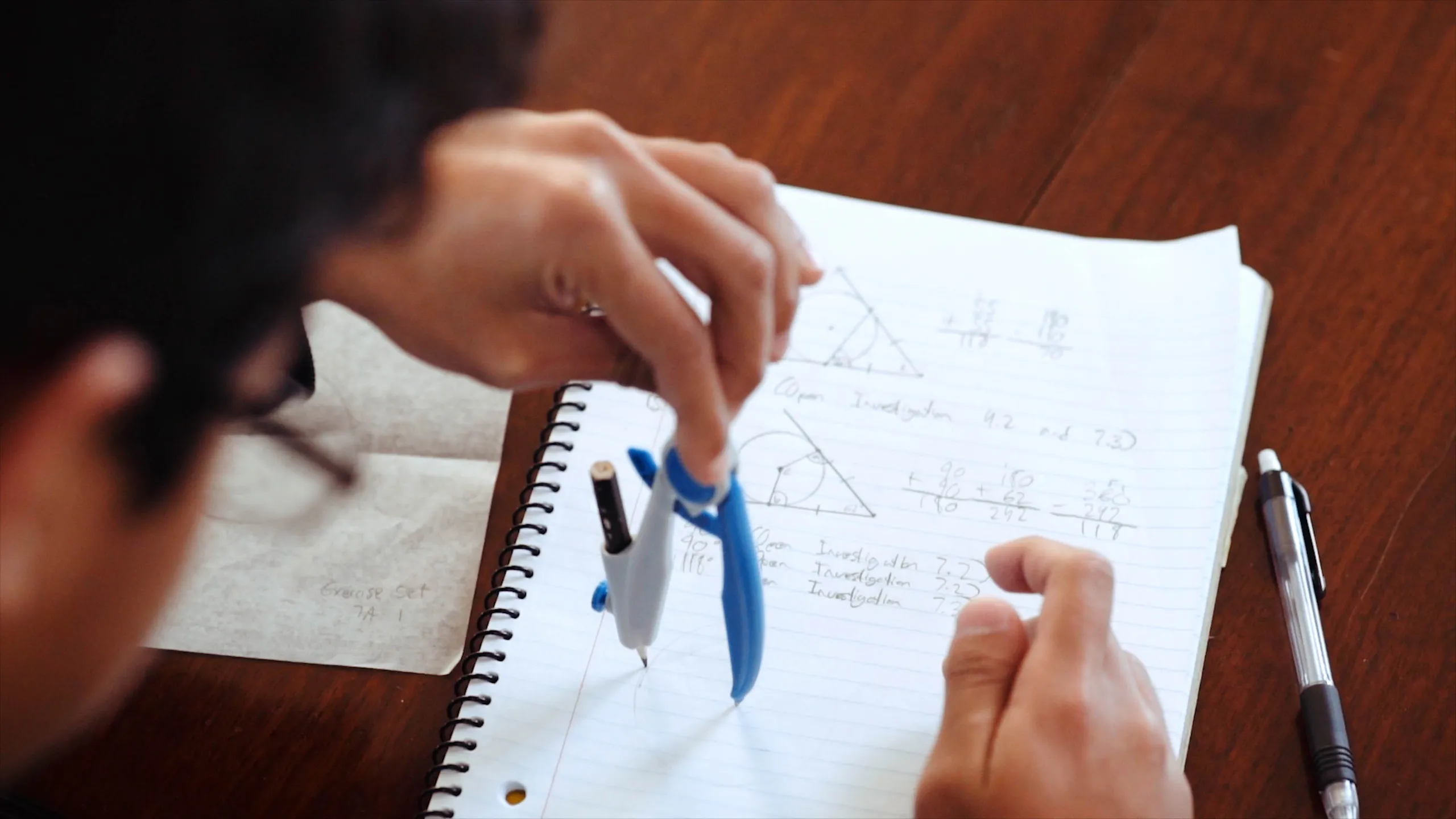
As students transition out of the Elementary grades, they have a growing capacity for abstract thinking and analysis. Thus, the Adolescent Program’s Algebra and Geometry curricula combine more traditional instruction – including text books, direct lessons, and lab work – with Montessori approaches that include manipulative materials and projects. The curricula also follow an authentic Montessori approach in which math is not taught simply as an isolated discipline, but rather in the context of human history and culture. Classroom learning is integrated with the use of mathematics as part of the occupations, science, and other disciplines. Students use math to help maintain the accounts for their student-run businesses and learn to track and assess finances through the use of a ZipBooks accounting system.
Language and Communication Skills
Language and composition both permeate the Adolescent Program as students read, write, spell, present, analyze, memorize, create, teach, and explore the history of words. Because development of written and oral skills requires constant use and practice, students are given boundless opportunities to use language in its many forms, and to celebrate its beauty, power and mystery.
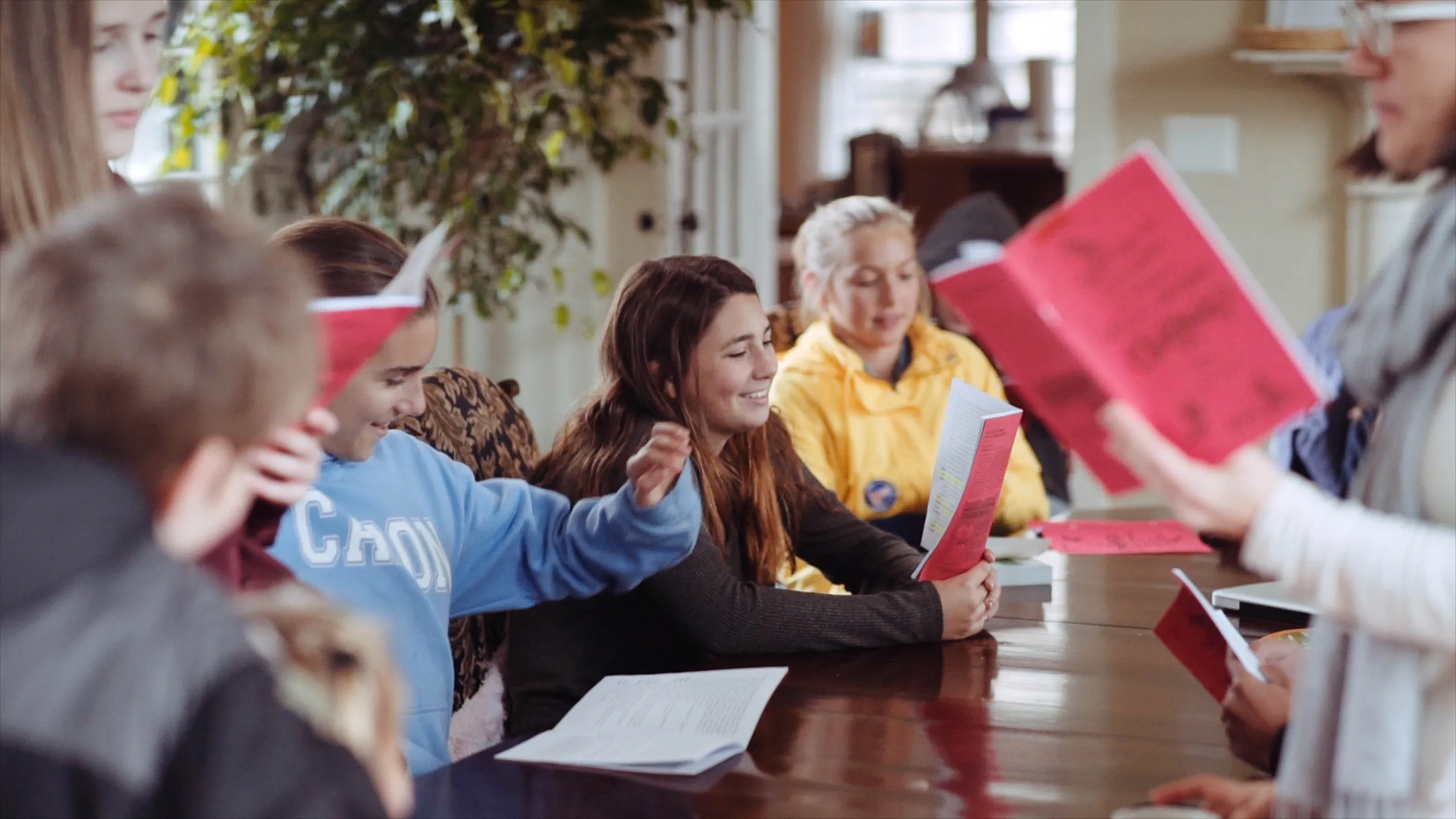
Adolescent students read age-appropriate literature. Through seminars and discussion, students learn to analyze plot, literary structure, themes, character, writing styles, and figurative language. Topics of novels often address the social curriculum for the Adolescents, tackling topics of moral and ethical value while considering diverse perspectives and complexity of issues. In addition to reading a variety of diverse novels, students delve into non-fiction, poetry, biographies, philosophy, newspapers, journals, scripts, and the work of peers.
A variety of tasks provide students the chance to hone their written and oral skills. Students may direct their creativity to writing fiction, poetry, scripts or lyrics. Expository writing takes many forms, including composition of reports and essays, presentations, summaries, outlines and even business letters. Presentations are routinely woven into projects and work in the Adolescent Program.
Science
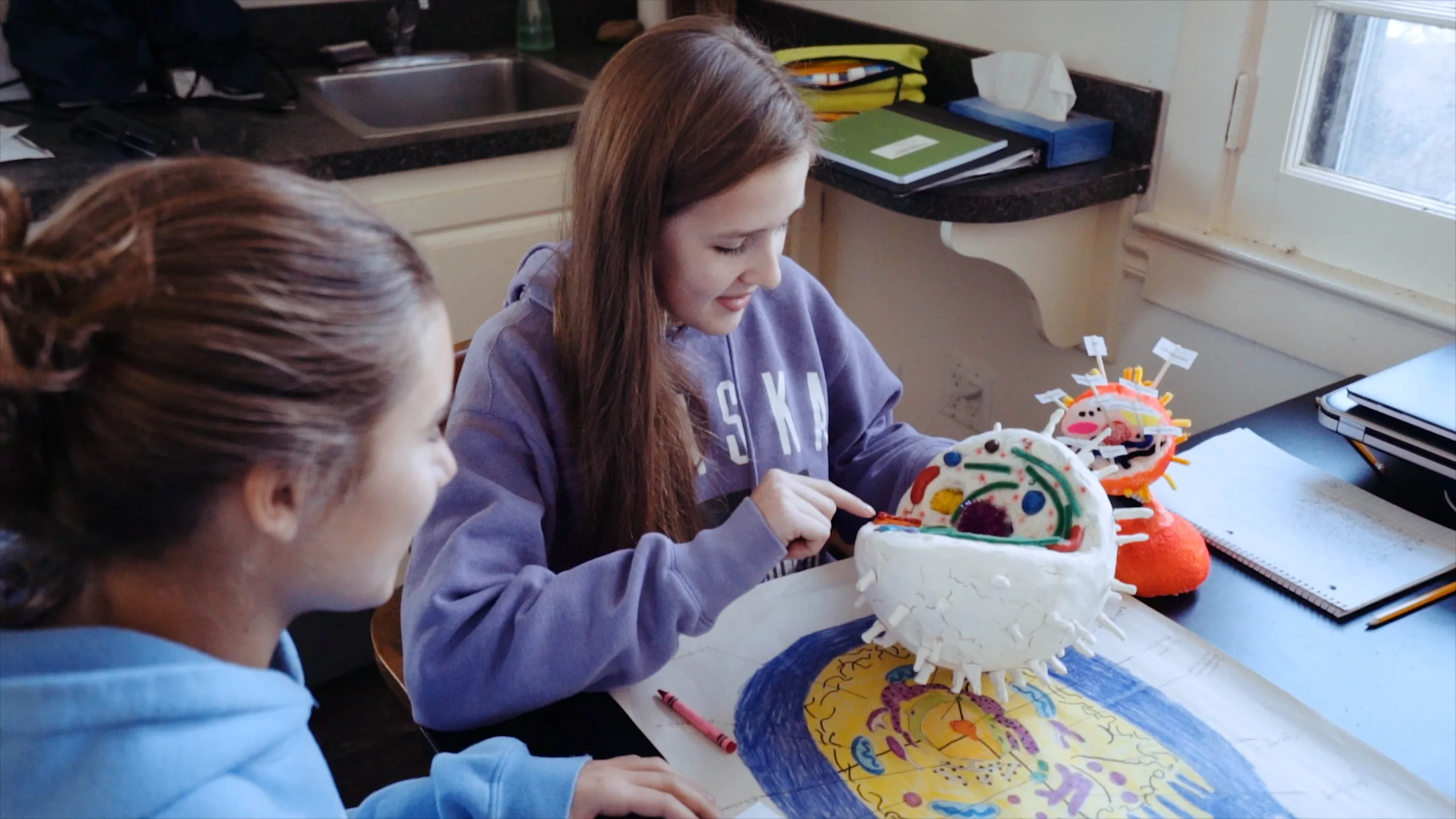
Life Science, Environmental Science, and Physical and Earth Science are taught in a three-year rotation. The science curriculum centers around the scientific method while using the local area and Mountainside farm to apply meaningful study and evidence. The curriculum provides a rigorous, integrated, and hands-on foundation in botany, biology, geology, zoology, chemistry, and physics. The basis of students’ scientific exploration is the natural environment of the farm itself: the earth, soil, water, plant and animal life, and the work students perform there on a daily basis. Students study and apply science using their surroundings as a natural laboratory. They enhance findings with course work, research through printed resources and internet sources, traditional experimentation and local resources and experts.
History
The Adolescent history curriculum is a three-year cycle taught in a Humanities format. The historical component of our humanities curriculum focuses on a study of American History, Civics, and Government during the first two years and World History in the third year. Classes include primary and secondary source reading, seminar discussions, research, formal writing assignments, off-site visits, and guest speakers. The Socratic seminar is used to develop critical thinking skills in the analysis of thoughts, ideas and philosophies. Current events are discussed routinely and students constantly tackle topics regarding ethics and justice. Local resources and pedagogy of place provide opportunity to understand larger complex issues within a local study. Students who complete the third-year World History curriculum receive World History 1 credit.
Spanish
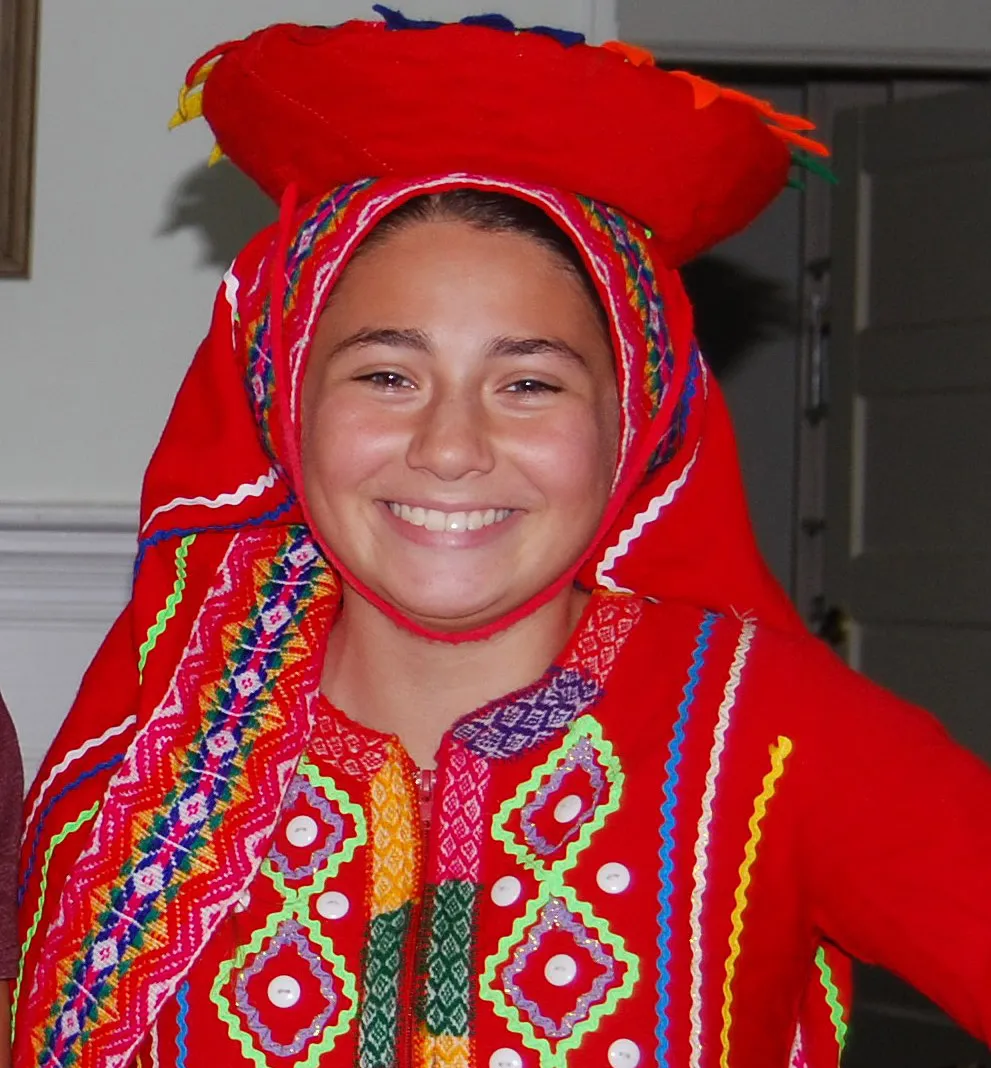
Students are introduced to conversational Spanish as they enter the Adolescent program. Our native Spanish speaking instructor teaches Spanish two times a week. Spanish includes studies organized around listening comprehension, reading comprehension, speaking, writing, and cultural aspects of Hispanic countries. After three years, it is our goal for students to have completed the Spanish I course level and be fully prepared to enter Spanish II as 10th graders.
Art and Drama
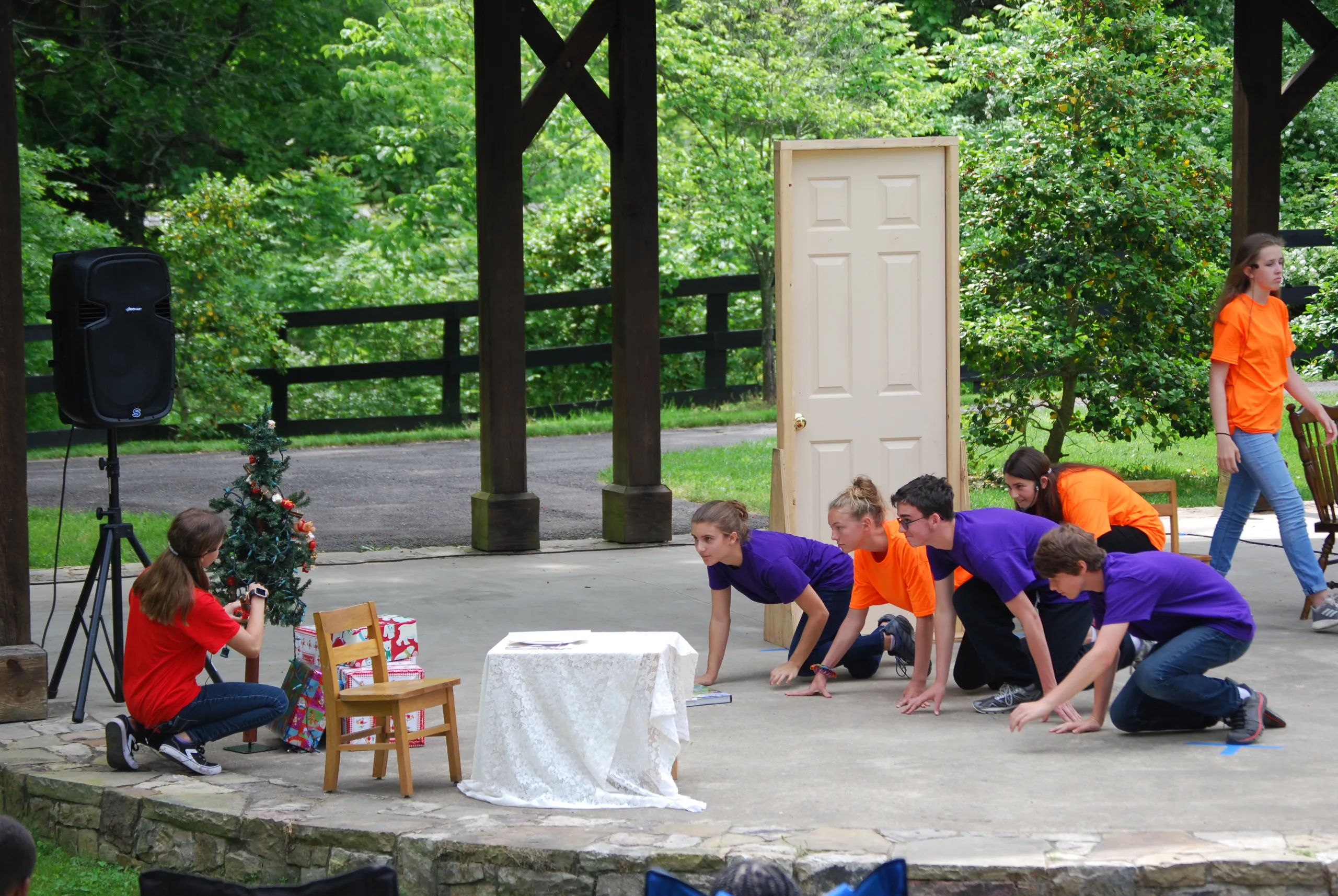
Creative expression is essential to Adolescent development as students explore and experiment with their emerging identities. At this age, the developing personality has a natural predisposition to creative expression in many forms. As such, Mountainside offers as many formal outlets as possible to the students. Students produce a theatrical performance during the Fall term as part of their Drama program. Students also share their talents at “Coffeehouse Performances” with peers, parents and other members of the school community in the Spring. The Adolescent Art program supports the students in their exploration of artistic expression using a variety of media. Students explore design, drawing, painting and sculpture. The focus on art appreciation with Art History is interwoven into the academic curriculum. Ninth grade students earn an Art 1 credit.
Assessments
Each Fall and Spring Adolescents engage in their own student-led conference with parents and Guides, reflecting on their own progress, goals, and role in the community. In the Winter and at the end of the year, narrative reports written by Guides include individualized comments on each academic subject area and social and community engagement, as well as the student’s self-assessments on the same. Adolescents do not receive subject grades, however, Guides routinely give individual feedback and engage with students one-on-one to stretch their work, thinking, and creativity to enhance their skills. Math lessons are “graded” with 80% demonstrating mastery and indicating students are ready to move to the next lesson. Students use rubrics for major assignments and projects to assess themselves in conjunction with Guides’ own rubric assessment. The goal of assessments in the Adolescent program is for students to reflect on their own work, celebrate accomplishments, embrace challenges, create a plan to work on their challenges, and stretch themselves to enhance their skills and personal standard, developing a strong work ethic at their core.
Internships
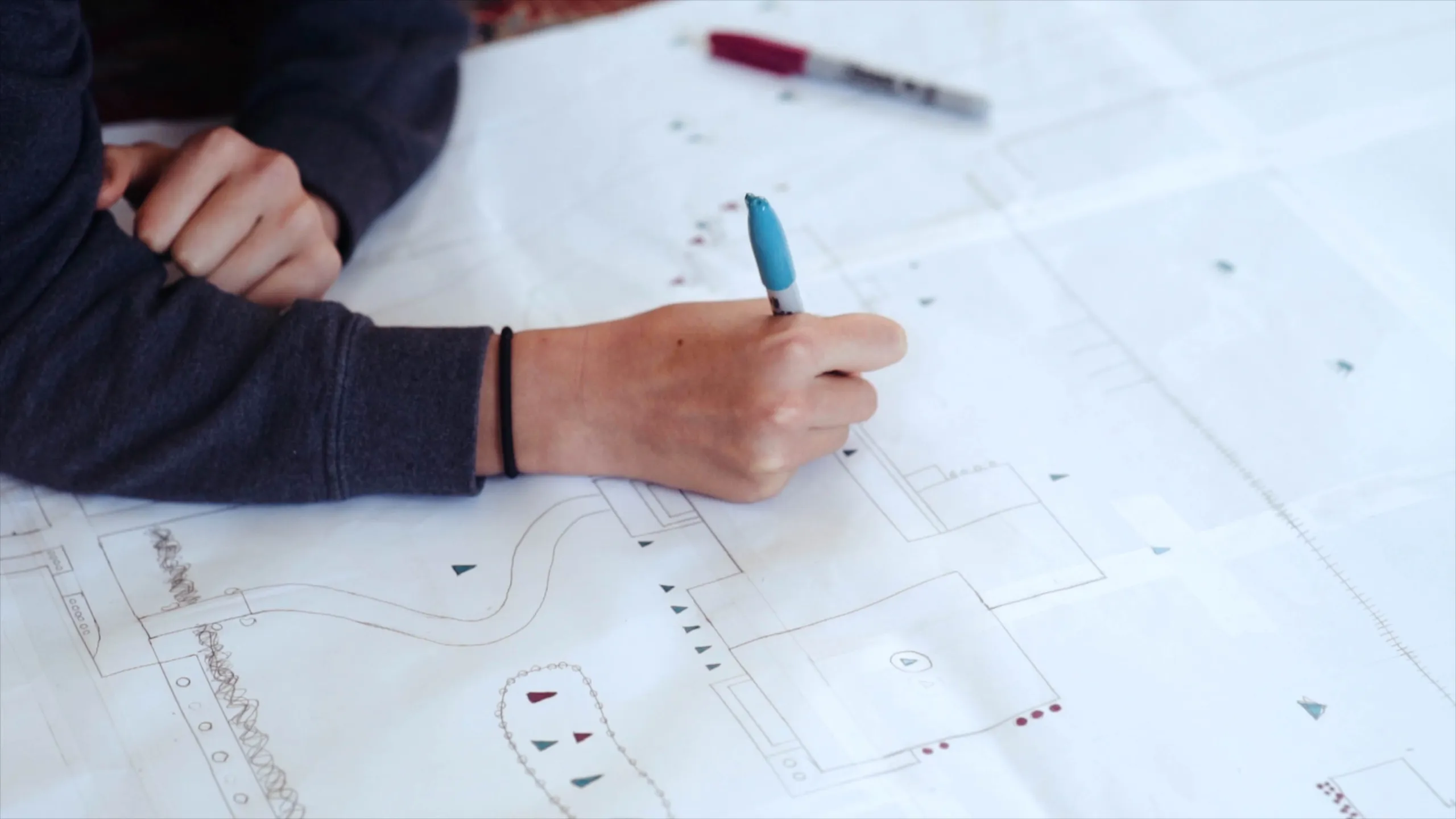
A week-long career related internship is an important element of the Adolescent curriculum, as it is a way to explore the ideas of learning and leading, as well as the adult world of profession and work. It is a highly anticipated learning experience each year. The internship program offers an extremely valuable opportunity for our students to deepen their understanding of themselves, of others, and of what it takes to participate in the workforce. This opportunity allows the young Adolescent to see how involved and complex an adult’s job can be. The location is selected by the students based upon their personal interests. Over the course of the three-year cycle of the Adolescent Program, students have the opportunity to have three distinct internship experiences.
Community Partnerships
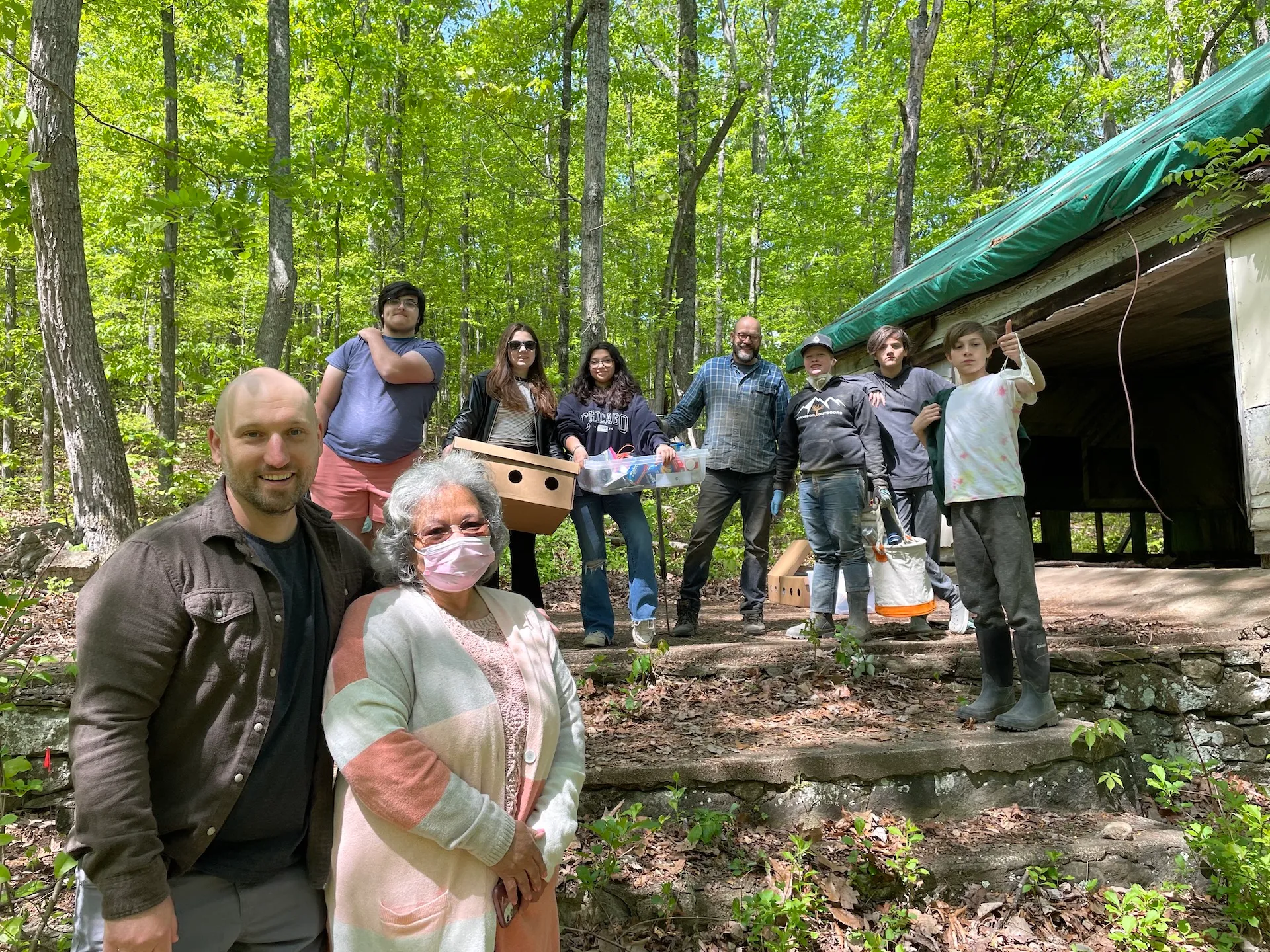
Being involved and contributing to the larger world is an important aspect of Adolescent development. At Mountainside, we partner with local organizations and organize opportunities to engage in real and meaningful work. Community service through Adopt-A-Road clean-up, working at local food banks, and contributing to efforts of local history are woven into our academics and program. Recently, the Adolescents partnered with the Afro-American Historical Association of Fauquier County on the restoration and preservation of history of the local African American Morgantown School House Project. Their work is an example of our involvement and value of local service.
Trips
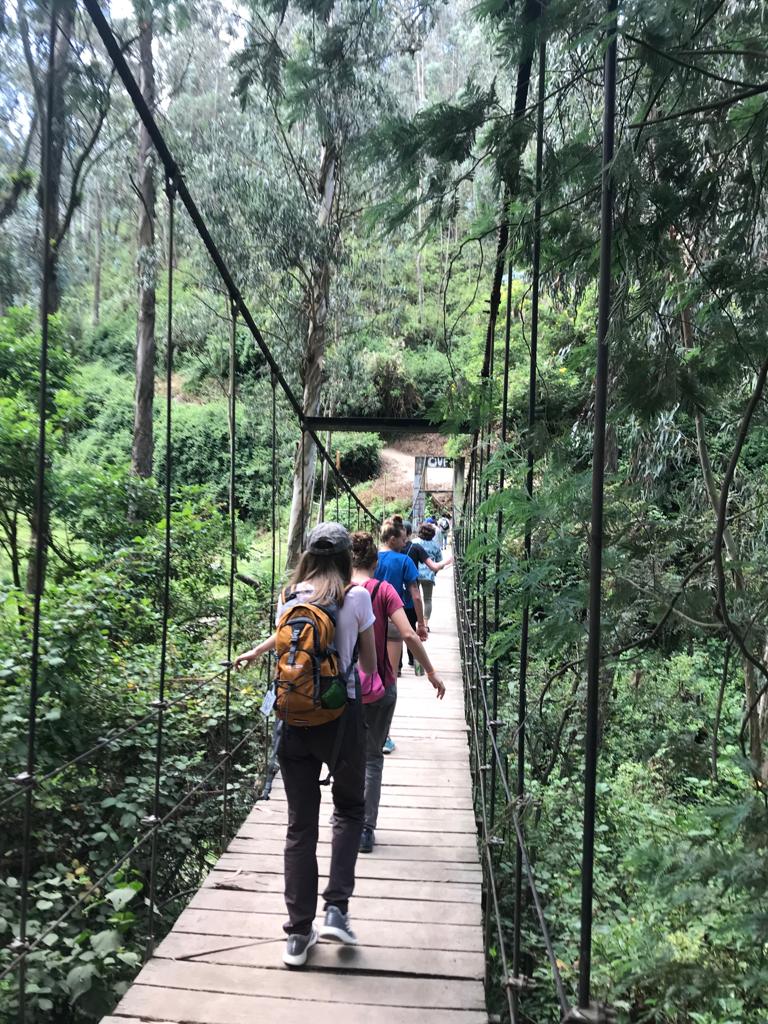
The school year begins and ends with Odyssey and End-of-Year trips, key components of the Montessori Adolescent Program’s academic and social experience. The goal is to provide a rich educational experience for students with a focus on experiential learning and bonding. During the winter term, our 9th-grade students embark on an international trip. Students are responsible for all aspects of planning, organizing, and navigating these trips and use money they have raised from their micro-economy to budget their trips. The 9th-grade international trips involve an element of community service and are designed to expose students to an understanding of how much of the world lives. Over the years, students have traveled to South Africa, Ecuador, Costa Rica, Peru, Guatemala, and Panama. The trip component of the program is another example of the level at which students are involved in, and responsible for, their own education with support and guidance from the adults around them.